Can You Freeze Bell Peppers?
Quick Answer
Yes, you can freeze bell peppers for cooking for about 8 to 10 months, and they freeze easily when you wash them, dry them well, remove the seeds and chop them into pieces that suit your recipes. When you spread the pieces on a tray until firm and then pack them into bags with the air pressed out, they stay loose and easy to use, and blanching is rarely needed for peppers that will be cooked later. Because they lose their crunch as they thaw, they work best in soups, eggs, sauces, stir fries and other warm dishes rather than in fresh salads.
Raw Peppers Freeze Easier Than Many Vegetables
Bell peppers are friendly freezer vegetables. Their pieces hold together well, and chopped peppers can go straight from harvest or grocery bag to the freezer with very little prep. That makes them a smart save when a garden produces too many or a store pack is larger than your week needs.
The tradeoff is texture. Pepper cell walls soften when frozen and thawed. A pepper that was crisp enough to snap will bend after thawing. Color and flavor stay pleasing, but raw crunch does not return. This is why frozen peppers belong in cooked food, where softness is normal and even helpful.
Blanching is useful for some vegetables, but diced bell peppers usually do not need it when they will be cooked and used within the quality window. Skipping blanching saves time and keeps the process simple. Dry pieces well, freeze them in a single layer, and pack them with little air.
Best Way to Freeze Chopped Peppers
Choose peppers that are firm, glossy, and free of soft spots. Freezing will not improve a pepper that is already wrinkled or moldy. If part of a pepper is damaged, trim away the bad area generously and use the rest soon. A pepper with mold should be thrown out.
- Wash the peppers and dry them very well.
- Cut off the tops and remove seeds and white ribs.
- Chop into dice or strips, depending on your recipes.
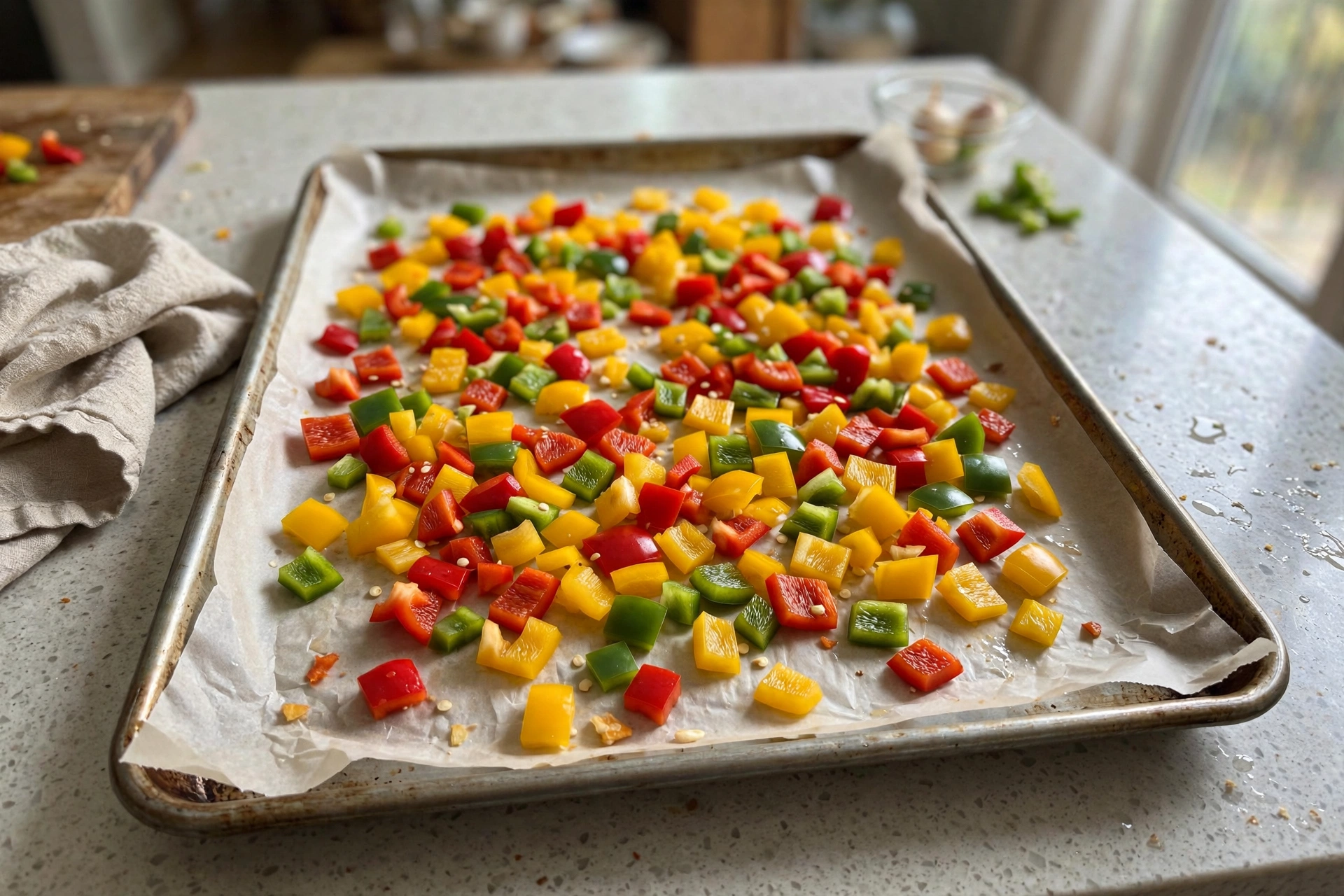
- Spread pieces in one layer on a lined tray.
- Freeze until the pieces feel hard, about 1 to 2 hours.
- Move pieces into freezer bags or containers.
- Press out extra air, label with color and date, and return to the freezer.
Tray freezing is the step that keeps pieces loose. Without it, chopped peppers freeze into a solid clump. Loose pieces are easier to measure, and you can take a handful without thawing the whole bag. A bag of mixed colors is handy for fajitas and eggs, while single color bags help when a recipe needs only green or red.
Dry peppers matter more than fancy tools. Water on the surface forms frost and helps pieces stick. Pat chopped peppers with a clean towel or let them sit on the tray briefly before freezing. Do not leave them out for long on a warm counter. Move with purpose: wash, dry, chop, tray, freeze.
For strips, keep the width even so they cook at the same pace. For dice, smaller pieces thaw and cook faster. If you often make stuffed peppers, whole pepper cups can be frozen, but they take more space and soften a lot. Chopped peppers are the practical choice for most home freezers.
Storage Time and Quality
For cooking quality, use frozen bell peppers within about 8 to 10 months. They can remain safe longer while kept at 0°F, but flavor slowly fades and frost can build. Red and yellow peppers keep their sunny flavor well. Green peppers can taste a little stronger after thawing, which suits savory dishes.
- Diced raw peppers: About 8 to 10 months for best cooked quality.
- Pepper strips: About 8 to 10 months, good for fajitas and stir fries.
- Mixed color peppers: About 8 to 10 months in one bag.
- Cooked peppers: About 6 months, since texture is already soft.
- Pepper pieces with frost: Use sooner for soups and sauces.
Bags that are opened often lose quality faster. Each opening lets moist air in, and frost grows on the pieces. If you use peppers weekly, keep one working bag in front and store backup bags toward the back. Squeeze air out after each use and seal tightly.
If you freeze lots of vegetables, the same dry, tray, and bag method helps with other produce. Our guide to can you freeze onions pairs well with peppers, since the two are often cooked together.
How to Use Frozen Bell Peppers
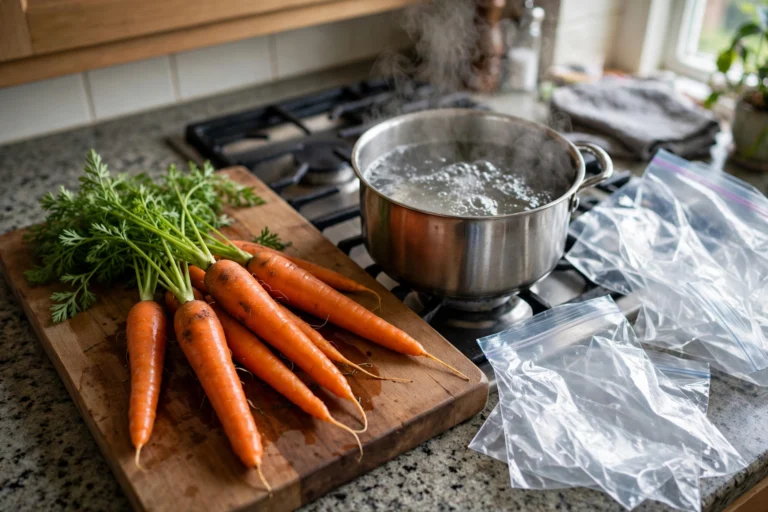
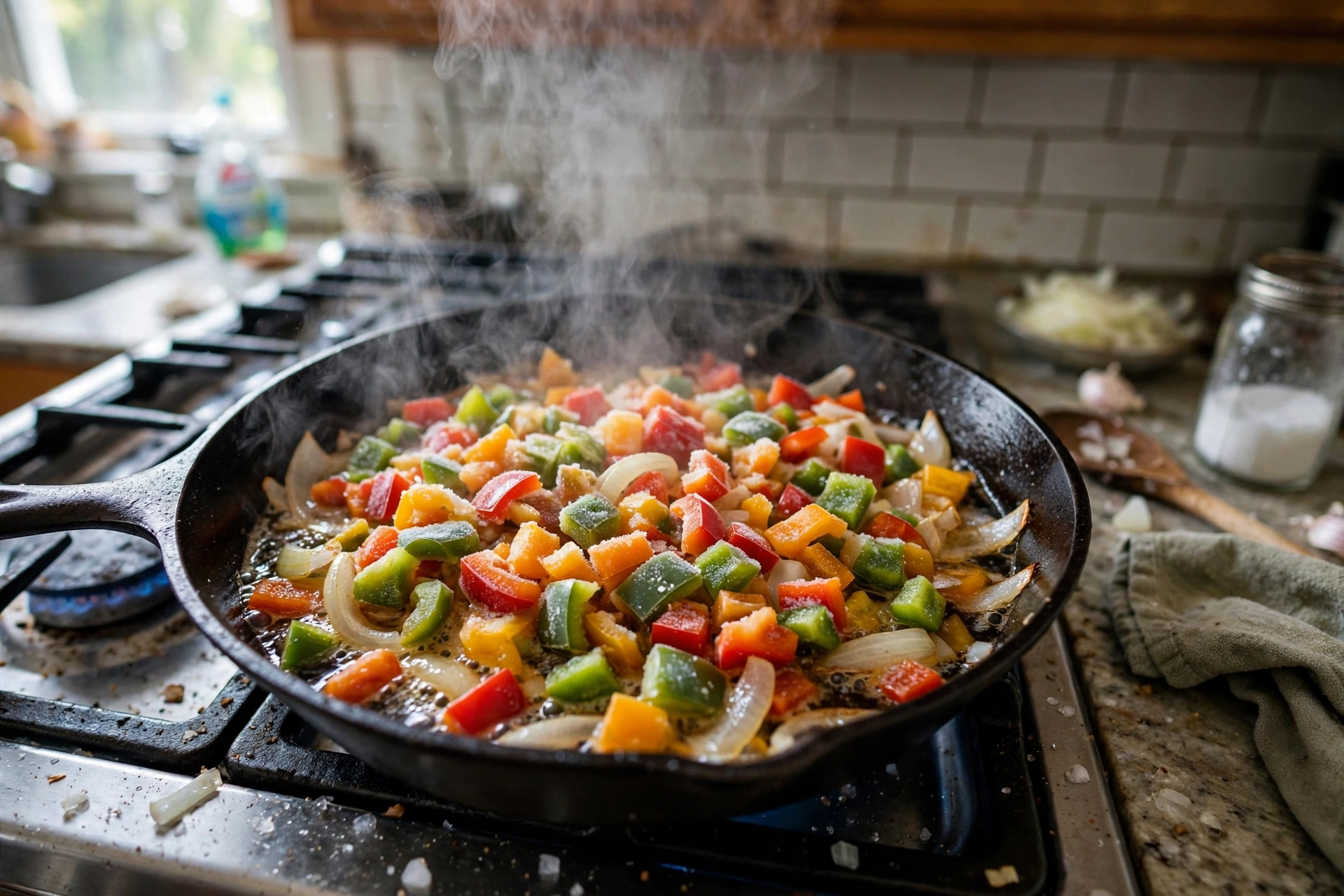
Most frozen bell peppers can go straight into the pan, so you can add them to hot oil for fajitas, stir fries, fried rice, soups, chili, pasta sauce, pizza topping, omelets and breakfast potatoes as soon as you are ready to cook. Soup pots welcome them beside freezing carrots, which blanch first and then wait in bags for the same meals. Because they release water as they heat, give them a minute in the pan to let that moisture cook off before you add more delicate ingredients.
Thawing is only needed for a few uses. If you want to fold peppers into a casserole mix or meat filling, a short thaw makes mixing easier. Place the amount you need in a bowl in the fridge or run the sealed bag under cool water. Drain thawed peppers before adding them to dishes that should not be watery.
For sauces, frozen peppers can cook from frozen and soften right into the base. For eggs, thaw or cook off moisture first so the eggs do not turn wet. For pizza, thaw and pat dry, because extra water can make the crust soggy.
Frozen peppers are not the right pick for fresh salsa, salads, sandwich crunch, or snack trays. In those foods, crisp texture is the point. Use fresh peppers there and save frozen ones for the stove.
Flavor, Color, and Nutrition Notes
Bell peppers keep much of their sweet or grassy flavor in the freezer. Red peppers stay sweet and are great for sauces and eggs. Yellow and orange peppers bring mild sweetness and bright color. Green peppers have a sharper bite that stands up well in chili, beans, and seasoned rice.
Color may dull slightly over long storage, but a mixed bag still looks cheerful in cooked dishes. Add frozen peppers near the start for soft texture in soups. Add them later when you want a bit more body in a quick stir fry. A cube from freezing garlic drops into those same pots and saves the peeling step entirely. Since they are already soft after freezing, they need less cooking time than fresh peppers.
Freezing soon after chopping is better than letting fresh peppers fade in the fridge. The practical win is simple: peppers are ready when you need them, so less produce is wasted.
Mistakes That Lead to Mushy or Frosty Peppers
- Freezing wet pieces: Surface water turns to frost and clumps.
- Skipping the tray step: Pieces freeze into one hard block.
- Packing with lots of air: Frost grows and flavor fades.
- Freezing old peppers: Soft spots spread their flavor through the bag.
- Expecting crunch: Frozen peppers will not stay crisp for salads.
- Storing too long: Old peppers taste flat and look dull.
Another mistake is chopping every pepper the same way. Keep some dice for eggs and soups, and some strips for fajitas.
Frequently Asked Questions
Do bell peppers need to be blanched before freezing?
For diced peppers that will be cooked, blanching is rarely needed. Wash, dry, chop, tray freeze, and bag them. This simple method gives good quality for about 8 to 10 months. If you want to store peppers for the longest time, blanching can help some vegetables, but most home cooks do not need it for chopped peppers.
Can you freeze whole bell peppers?
You can, but whole peppers take a lot of space and turn very soft after thawing. They can work for stuffed pepper cups if you accept a tender result. Chopped peppers are easier to store, easier to portion, and better for most recipes.
Why are my frozen peppers soft?
Freezing forms ice inside the pepper, and that ice softens the cell walls. When the pepper thaws or cooks, it gives up water and loses crunch. This is normal. Use frozen peppers in cooked dishes where softness fits the meal.
Can you freeze cooked bell peppers?
Yes, cooked bell peppers freeze well and are handy for sauces and soups. Cool them, pack them in portions, and use within about 6 months for best quality. They will be softer after thawing, so add them to dishes where texture is not crisp.
Should red, yellow, and green peppers be frozen separately?
Only if you cook with them separately. Mixed bags are perfect for fajitas, eggs, fried rice, and soups. Separate bags help when you want sweet red peppers for sauce or green peppers for chili. Label each bag by color and date.
Conclusion
Bell peppers are one of the easiest vegetables to freeze. Chop them dry, freeze pieces on a tray, and store them in airtight bags for cooked meals. They will not stay crunchy, but their color and flavor carry soups, eggs, sauces, and stir fries for months. When a fresh pepper is close to fading, a quick chop and freeze can save it for a better day.