
Can You Freeze Cheese?
Quick Answer
Yes, you can freeze cheese. Hard and semi-hard cheeses like cheddar, mozzarella and parmesan freeze best and keep for up to 6 months. Wrap the cheese tightly or grate it into freezer bags, then thaw it slowly in the fridge for the best texture. Soft cheeses like brie and ricotta freeze less well and can turn crumbly, so use them in cooked dishes.

Which Cheeses Freeze Best
Not every cheese reacts to the freezer in the same way. The amount of water inside the cheese makes the difference. Firm cheese with low moisture stays close to its original texture. Soft cheese with high moisture can turn grainy or crumbly once it thaws.
Cheeses that freeze well:
- Cheddar
- Swiss
- Parmesan and other hard grating cheese
- Gouda
- Monterey Jack
- Mozzarella that is sold in a firm block
- Provolone
Cheeses to freeze with care:
- Brie and Camembert, best used in baked dishes after thawing
- Goat cheese, good for crumbling over cooked food
- Feta, fine for salads that are served at once and for cooked dishes
Cheeses that do not freeze well on their own are cottage cheese, ricotta and fresh cream style cheese. If you are working with that kind of cheese, read the guide on cream cheese can be frozen before you decide, because the result is only good for cooking and baking.
A simple rule helps at the shop. If you can grate it or cut it into a clean firm block, it will usually freeze well. If it is soft enough to spread with a knife, freeze it only when you plan to cook with it later.
How to Freeze Cheese
Freezing cheese well is mostly about keeping air and moisture away from the surface. Air dries cheese out and causes freezer burn, which shows up as pale dry patches and an old flavour. Good wrapping takes two minutes and protects the taste for months.
Follow these steps:

- Start with fresh cheese. Freezing will not improve cheese that is already old, dry or growing mould. If the cheese smells sharp in a bad way or feels slimy, do not freeze it.
- Cut the cheese into portions you will actually use. Half pound and one pound pieces thaw faster and save you from thawing a huge block for one meal. You can also grate the cheese now if you know it will go on pizza, pasta or casseroles. Grated cheese is also covered in the guide to freezing shredded cheese.
- Pat the surface dry with a clean paper towel. Extra surface water turns into ice crystals, and ice crystals are the main reason thawed cheese turns crumbly.
- Wrap each piece tightly in parchment paper or wax paper. Then add a second layer of foil or place the wrapped cheese inside a strong freezer bag. Press out as much air as you can before you seal the bag.
- Write the name of the cheese and the date on the bag. Cheese all looks the same after a month in the freezer, and the date tells you when to use it by.
- Place the bag in the coldest part of the freezer and keep the freezer at 0 degrees Fahrenheit or colder. Lay bags flat so they freeze evenly and stack neatly.
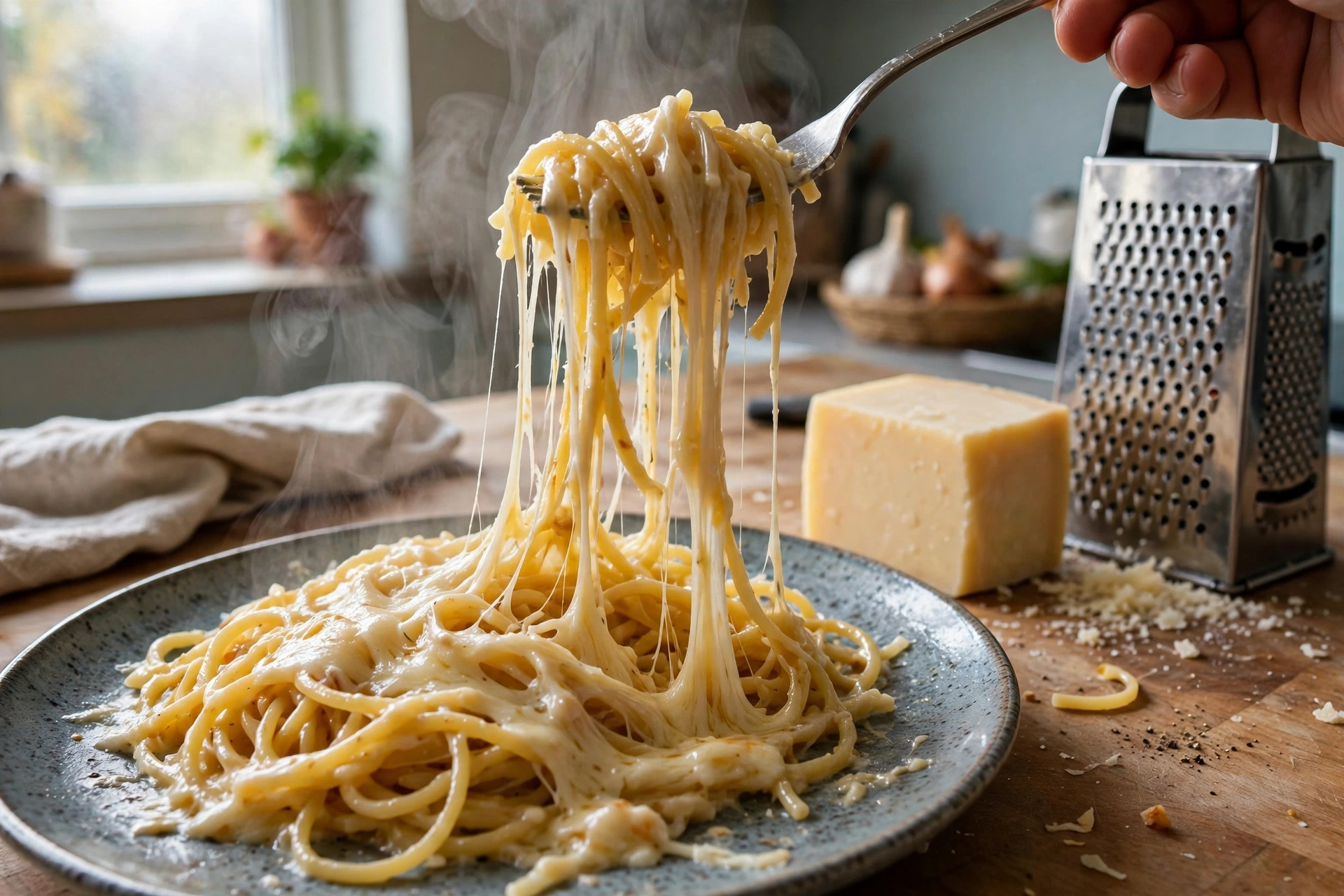
For shredded cheese, one small trick makes life much easier. Spread the shreds in a thin layer in the bag and lay the bag flat. The shreds freeze as a thin sheet. Later you can break off what you need and sprinkle it straight onto hot food without thawing the whole bag.
How Long Does Cheese Last in the Freezer?
Freezing keeps food safe for a long time when the freezer stays cold, but quality slowly falls. These times are about best taste and texture, based on USDA FoodKeeper guidance.
- Hard cheese in a block, such as cheddar, Swiss and Parmesan: up to 6 months.
- Shredded hard cheese: 3 to 4 months.
- Firm cheese such as Gouda and Monterey Jack: about 6 months.
- Soft cheese such as Brie: quality is best when used within 2 months, and it should be cooked after thawing.
- Processed cheese slices: freezing is not recommended for best quality.
If you freeze other dairy foods often, the full freezer storage times chart puts cheese next to foods such as butter and milk so you can check everything in one place.
Use the oldest bags first. A bag that has been frozen a little longer than the guide time is not automatically unsafe, but the flavour and texture will keep getting weaker the longer it stays frozen.
How to Thaw Cheese the Right Way
Thawing slowly is what protects the texture. Cheese that thaws fast on the kitchen counter can sweat, turn greasy and pick up bacteria while it sits warm.
Move the wrapped cheese from the freezer to the fridge and let it thaw slowly. A one pound piece usually needs about 6 to 8 hours, and a larger block can need a full day. Keep the wrapping on while it thaws so the surface does not dry out in the fridge.
Once thawed, use the cheese within 3 to 4 days and keep it in the fridge. Use thawed cheese for dishes where it will melt or blend in. Pizza, macaroni and cheese, quesadillas, omelettes, soups, sauces and casseroles are all perfect. A cheese board is the one place where thawed cheese can disappoint, because firm cheese may crumble when sliced and soft cheese may feel grainy.
Shredded cheese is the exception to slow thawing. You can add it straight from the bag onto hot food. The heat of the dish thaws and melts it at the same time, and the result is hard to tell from fresh cheese.
If you are thawing meat or poultry for the same meal, the thaw time calculator will help you plan timings so everything is ready together.
Can You Freeze Cheese Again After Thawing?
You can freeze cheese again if it thawed in the fridge and has been kept cold, but the texture will suffer each time. The cheese will get more crumbly with every round of freezing and thawing.
A better plan is to cook with the thawed cheese first. Cheese that has been melted into a sauce, baked into a casserole or cooked on pizza freezes again much better as part of that finished dish than it does on its own.
If cheese sat out at room temperature for more than 2 hours, do not freeze it again and do not eat it. When in doubt, throw it out.
Common Mistakes That Ruin Frozen Cheese
- Freezing cheese in its thin shop wrapping only. Shop wrap is made for the fridge, not the freezer. It lets air in, and air leads to dry spots and stale flavour. Always add a proper second layer.
- Freezing one very large block. Large blocks thaw slowly and unevenly. Smaller portions thaw faster and waste less.
- Skipping the date on the bag. Without a date you will guess, and guessed cheese is usually thrown away. A date takes five seconds.
- Thawing cheese on the counter all day. Slow fridge thawing protects both texture and safety.
- Expecting thawed soft cheese to behave like fresh cheese. Soft cheese changes the most. Plan a cooked dish for it and you will be happy with the result.
- Freezing cheese that is already past its best. The freezer pauses the clock, it does not turn it back. Start with cheese in good condition.
Signs That Frozen Cheese Has Gone Bad
Look at the cheese before you use it and trust your eyes and nose. Throw cheese away if you see mould growing deep into the paste of a soft cheese, if the smell is sour or bitter in an unpleasant way, or if the surface feels slimy after thawing.
Freezer burn looks different from spoilage. It shows as light dry patches and mainly hurts texture and taste. Small freezer burned spots on hard cheese can be cut away before cooking, but cheese that smells off should never be eaten.
Hard cheese with a small spot of surface mould can be saved. Cut away at least one inch around and below the spot, keep the knife away from the mould, and use the rest promptly. Soft cheese with any mould should be thrown away whole.
Frequently Asked Questions
Can you cook cheese directly from frozen?
Yes, and it is often the easiest option. Grated cheese and firm slices can go straight onto pizza, toast, casseroles and other hot food, where they melt as the dish cooks. A whole frozen block is hard to slice and grate, so let a block sit in the fridge until the outside softens a little, or grate the cheese before you freeze it next time. For a sauce, add frozen grated cheese a little at a time into the hot liquid and stir well so it melts smoothly.
Can you eat cheese as it is after thawing, or does it have to be cooked?
You can eat it as it is when it thawed in the fridge and stayed cold the whole time. Cooking is not needed for safety in that case. The reason most people cook with thawed cheese is texture, not safety. Firm cheese can feel crumbly on crackers and soft cheese can feel grainy, while the same cheese tastes completely normal once it is melted into a hot dish.
Can you freeze string cheese and cheese sticks?
Yes. String cheese is a firm mozzarella style cheese, so it handles the freezer better than most soft cheese. Keep each stick in its sealed wrapper, place the sticks in a freezer bag, and press out the extra air. The texture can turn a little rubbery after thawing, so frozen string cheese is best for lunchboxes that will thaw by midday, cooking and snack trays where a small texture change will not matter.
Can you freeze cheese curds?
Yes, but enjoy them fast for the best result. Fresh curds are loved for their squeak, and freezing takes most of that squeak away. Spread the curds in one layer so they do not freeze into one big lump, then bag them once they are firm. After thawing, curds are much better warmed in cooked dishes than eaten cold and plain.
How do you stop shredded cheese from sticking together in the freezer bag?
Freeze the shreds in a thin flat layer instead of a thick packed mound. A flat bag freezes quickly and you can break off a piece whenever you need it. If you grate the cheese yourself, spread it on a tray until the shreds feel firm, then move them into the bag. Shop bought grated cheese already carries a light coating that helps the shreds stay loose, while fresh home grated cheese needs the flat layer trick a little more.
Can you thaw cheese quickly in cold water?
You can for a sealed small piece when you are short on time. Keep the cheese inside a leak proof bag, place it in cold water, and change the water every 30 minutes until the cheese feels soft enough to use. Use it at once after this kind of thawing, ideally in a cooked dish. A microwave is a poor choice for a block because the outside melts and turns greasy while the middle stays frozen. Grated cheese does not need quick thawing at all, since it can go straight into hot food.
Conclusion
Cheese freezes very well when you pick the right kind and wrap it with care. Hard cheese keeps its best quality for up to 6 months, shredded cheese for 3 to 4 months, and soft cheese is happiest when it is cooked after thawing. Cut the cheese into useful portions, keep air away from the surface, write the date on the bag, and thaw it slowly in the fridge. Do that, and the block you saved today will melt beautifully into dinner months from now.
Sources: USDA FoodKeeper storage guidance for cheese and the USDA cold food storage chart.



One Comment