Can You Freeze Corn on the Cob?
Quick Answer
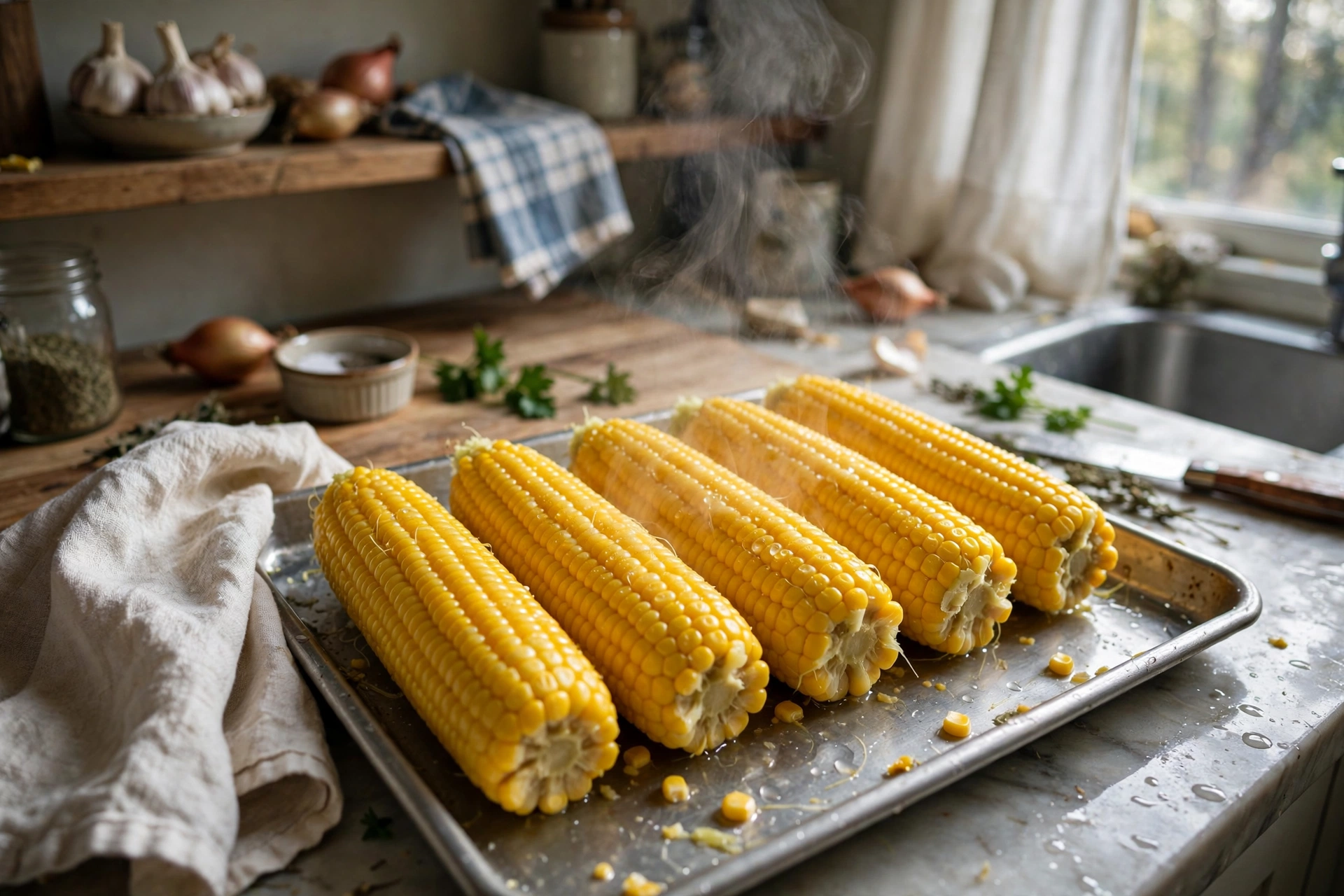
Yes, you can freeze corn on the cob for about 10 to 12 months, and it tastes best when you blanch the cobs briefly before freezing, because corn that goes in raw slowly loses its sweetness and turns chewy. When each blanched cob is cooled, dried and wrapped tightly on its own, it stays plump and sweet in the freezer, and it can go straight into boiling water or onto the grill while still frozen. Kernels cut from the cob freeze well too for about 8 to 10 months, and both forms are happiest in cooked dishes where a little butter brings the flavor back to life.
Why Blanching Makes Such a Big Difference
Corn is one vegetable where the freezer really does punish shortcuts. Fresh corn carries natural enzymes that keep working even in cold storage, and those enzymes quietly eat away at the sweetness and bright color. A short dip in boiling water stops that work, so the corn you thaw months later still tastes like the corn you bought.
Raw frozen corn is the common disappointment. It looks fine in the bag, but the kernels come out tougher and less sweet, with a chewy bite that butter cannot quite hide. Blanching takes only a few minutes per batch and protects the whole harvest, so it is worth doing even when you are in a hurry.
The cooling step matters too. After blanching, the cobs go straight into cold water so the cooking stops at once, because warm cobs keep softening and freeze mushy.
How to Freeze Corn on the Cob
Pick corn that feels heavy for its size, with tight green husks and plump kernels in neat rows. Freeze it as soon after buying as you can, because corn loses sweetness with every day it sits around. Old or drying cobs will not improve in the freezer.
- Pull off the husks and silk and rinse the cobs clean.
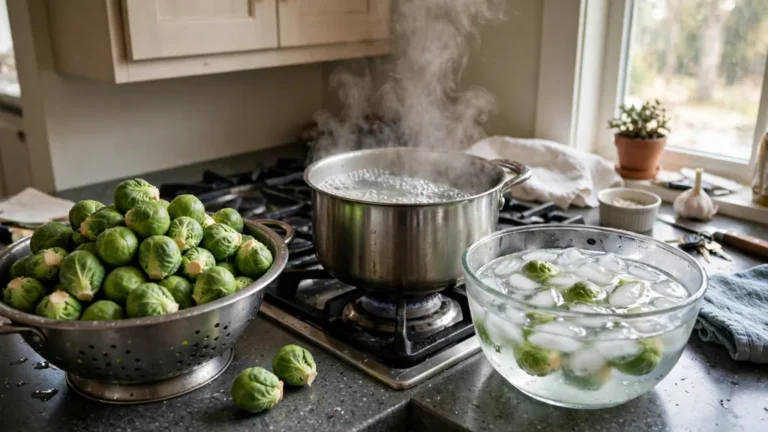
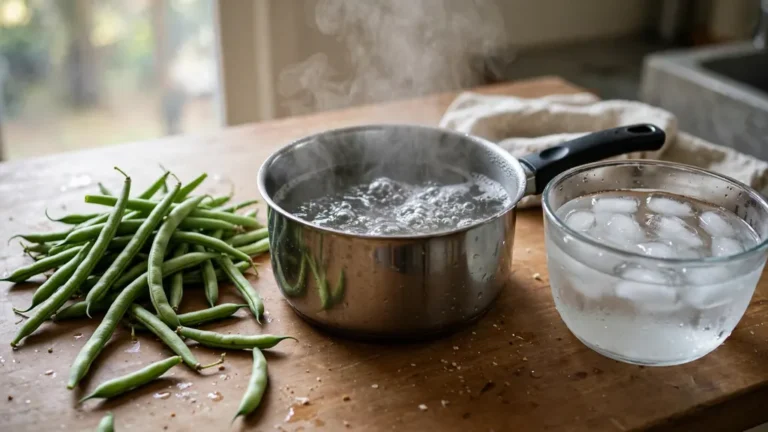
- Bring a large pot of water to a rolling boil.
- Lower the cobs in and blanch small cobs for 7 minutes, medium for 9 and large for 11.
- Move the cobs straight into a big bowl of cold water for the same number of minutes.
- Lift the cobs out and dry them very well on a clean towel.
- Wrap each cob tightly in strong wrap so no air pockets stay against the kernels.
- Place the wrapped cobs together in a freezer bag and press out the extra air.
- Label the bag with the date and freeze at 0°F.
A vacuum style seal works beautifully here because air is the enemy of sweet corn. If you do not have one, roll the bag slowly from the bottom to push the air out before sealing.
Whole Cobs or Kernels Off the Cob
Whole cobs are the classic choice for cookouts and buttered sides. They take more freezer room, but the kernels stay juicy because they are protected on the cob. If freezer space is tight, kernels are the smarter form, since a bag of kernels takes a fraction of the room and pours straight into soups and skillets.
Kernels freeze by the same method with one change. Blanch the cobs first, cool and dry them, then stand each cob upright and slice the kernels off in strips. Spread the kernels on a lined tray, freeze them until hard, and pour them into bags. Blanched kernels keep good quality for about 8 to 10 months.
Loose kernels are ready for chowder, fried rice, succotash and corn muffins, and they need no thawing before they go into a hot pan.
How Long Corn on the Cob Keeps
Use blanched whole cobs within about 10 to 12 months for the best sweet flavor. The corn stays safe longer while frozen solid, but the taste slowly flattens and frost can build on the kernels.
- Blanched whole cobs: About 10 to 12 months at their sweetest.
- Blanched kernels: About 8 to 10 months for soups and skillets.
- Raw frozen cobs: Safe, but chewing and sweetness suffer within a few months.
- Cooked corn cut from the cob: About 8 months, best in mixed dishes.
Back of the freezer storage helps corn too. The door area warms slightly every time it opens, and steady cold keeps both color and flavor in better shape. The same blanch, cool and dry routine protects other garden vegetables, and our guide to freezing bell peppers shows a no blanch shortcut for peppers that will be cooked later.
Cooking Corn From Frozen
Most frozen corn on the cob needs no thawing at all. Drop the frozen cobs into boiling water and cook for about 5 to 8 minutes, until the kernels feel tender. You can also wrap frozen cobs in foil with butter and grill them, turning now and then, until hot all the way through.
For kernels, cook straight from frozen in the pan or pot. They release a little water as they heat, so give them a minute to let that moisture cook off before adding cream, butter or other delicate ingredients.
If you prefer to thaw first, leave the cobs in the fridge for a few hours, and remember that thawed corn cooks faster, so watch it closely.
Freezing Mistakes That Cost Sweetness
- Skipping the blanch: Enzymes keep working and the corn turns chewy and dull.
- Under blanching big cobs: The center stays raw and loses flavor in storage.
- Freezing cobs wet: Surface water becomes frost that clings to the kernels.
- Loose wrapping: Air pockets dry the kernels and invite freezer burn.
- Waiting days to freeze: Corn loses sweetness quickly after it is picked.
- Packing cobs together with no wrap: They freeze into one hard block.
Best Ways to Enjoy Frozen Corn
Buttered cobs are the obvious win, and frozen corn handles that job well. Grill it in foil, boil it briefly, or cut the kernels off after cooking for salads and salsas. Frozen kernels shine in corn chowder, chicken soup, skillet corn with peppers, cornbread and fried rice.
Corn also pairs happily with other frozen vegetables in one pot, and kernels stirred into chili or taco filling add sweetness against the spice.
Frequently Asked Questions
Do you have to blanch corn on the cob before freezing?
For the best flavor, yes. Blanching stops the enzymes that slowly destroy sweetness and color in the freezer. Raw frozen corn is safe to eat, but it tends to taste less sweet and feels chewy after a few months of storage.
How long do you blanch corn on the cob?
Small cobs need about 7 minutes in boiling water, medium cobs about 9 minutes and large cobs about 11 minutes. Cool them in cold water for the same length of time, then dry them well before wrapping.
Can you freeze corn in the husk?
You can, but it is not the best method. Corn frozen in the husk skips blanching, so the flavor fades faster, and the husk takes up freezer room. Husks also trap moisture against the kernels. Peeled and blanched cobs keep far better.
Should you thaw corn on the cob before cooking?
There is no need. Frozen cobs can go straight into boiling water or onto the grill in foil, and they cook through in a few extra minutes. Thawing first is fine too, but the corn then cooks faster and should be watched.
Why does frozen corn sometimes taste bland?
Bland corn usually skipped the blanch, sat too long before freezing, or spent many months in storage. Sweetness fades with time and warmth, so freeze corn the day you buy it, wrap it tightly, and use it within the 10 to 12 month window.
Conclusion
Corn on the cob freezes beautifully when you blanch it, cool it fast and wrap each cob tight. Whole cobs keep for about 10 to 12 months, kernels for about 8 to 10, and both cook happily straight from frozen. Skip the blanch and the corn turns chewy, so those few boiling minutes are the whole secret.