Can You Freeze Coleslaw?
Quick Answer
Yes, you can freeze coleslaw, but it does not freeze well if you are hoping for crisp salad later, because cabbage and carrots release water and turn limp after about 1 to 2 months in the freezer. Creamy mayonnaise based slaw suffers the most, since the dressing can separate and look oily, while vinegar based slaw survives a little better but still loses its crunch. If you freeze it anyway, pack plain or lightly dressed slaw in a sealed container, thaw it in the fridge, drain it very well and stir in fresh dressing and a handful of fresh shredded cabbage before serving. Thawed coleslaw is best used in cooked dishes, on warm sandwiches where softness is welcome, or as a small tangy side after refreshing, not as the crisp centerpiece of a barbecue plate.
Why Does Coleslaw Turn Limp After Freezing?
Cabbage is mostly water held inside crisp cell walls. Ice crystals break those walls in the freezer, and when the slaw thaws, the water slips out instead of staying locked inside the leaf.
That escaping water does two unkind things at once. It leaves the cabbage soft and translucent, and it pools in the bowl so the dressing turns thin and soupy.
Carrots keep a little more bite than cabbage, but they cannot rescue the texture on their own. The slaw may taste familiar, yet the fresh snap that makes coleslaw worth eating is the part freezing takes away.
Is Vinegar Slaw Better Than Creamy Slaw in the Freezer?
Vinegar based slaw usually comes back a little cleaner. Its dressing is thin to begin with, so thawing does not change its look as dramatically, and the acid keeps the flavor bright after the vegetables soften.
Creamy slaw has more trouble. Mayonnaise dressings can separate in the cold, leaving an oily or curdled look that stirring only partly fixes, while the extra moisture from the cabbage dilutes what flavor remains.
Neither style returns as true crunchy coleslaw. Vinegar slaw simply gives you a better starting point when you freshen the bowl with new cabbage and a spoon of fresh dressing after draining.
What Is the Best Way to Freeze Coleslaw If You Must?
If the slaw would otherwise be wasted, freeze it while it is still fresh and keep the portions modest. Smaller containers thaw faster and give you a chance to refresh each bowl properly.
- Start with fresh coleslaw and chill it well in the fridge.
- If it is undressed, keep the dressing separate and freeze only the shredded vegetables in light form, knowing they will soften.
- Spoon the slaw into a freezer safe container, leaving a little headspace for expansion.
- Press a piece of parchment or wrap onto the surface if the container has extra air space.
- Seal the container, label it with the style and the date.
- Freeze at 0°F and use within about 1 to 2 months.
- Thaw it in the fridge, then drain it in a colander and press gently before serving or cooking.

The draining step is not optional. Without it, thawed slaw sits in its own liquid and tastes washed out no matter how much dressing you add.
What Can You Do With Thawed Coleslaw?
Warm food is kinder to thawed slaw than a cold salad plate. Stir drained slaw into a skillet at the end of cooking for a quick cabbage side, or tuck it into grilled sandwiches and wraps where a soft tangy layer belongs.
It can also join soups and stir fries without embarrassment. Once heat is involved, nobody expects a crunch, and the cabbage flavor still brings something useful to the pan.
For a cold serving, refresh it boldly. Drain it well, fold in fresh shredded cabbage and carrot for bite, add new dressing, and season again, because thawing mutes both salt and acid.
What Should You Freeze Instead for Future Coleslaw?
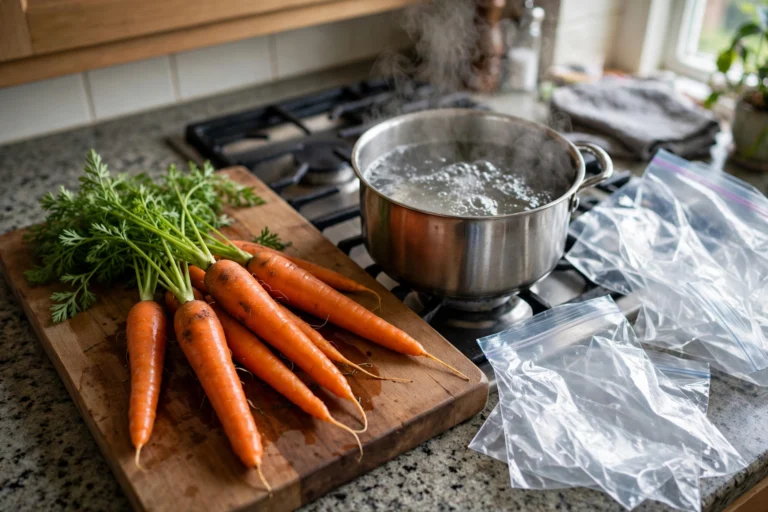
Shredded plain cabbage on its own is the smarter freezer move when your real goal is cooked cabbage later. Freeze it in bags for soups, skillets and casseroles, where softness is part of the dish.
For future crunchy slaw, keep the ingredients unmixed until serving day. Cabbage and carrots hold far better in the fridge uncut or in larger pieces, and a fresh dressing takes minutes to stir together.
This small change saves both texture and pride. Freeze cabbage for cooked dishes, and make slaw fresh when the meal calls for that cold crisp bite.
What Is a Better Plan When You Have Too Much Cabbage?
Before you dress the whole bowl, set aside some plain shredded cabbage and carrot if you know the meal will not finish it. The undressed vegetables can be frozen for a future soup, skillet or casserole, where their softer thawed texture will fit naturally.
The dressed slaw for tonight stays fresh and crisp, and the extra vegetables still avoid waste. This plan respects what each form does best, because frozen cabbage becomes a cooking ingredient rather than a disappointing salad.
Frequently Asked Questions
Can you freeze coleslaw from a restaurant or deli?
You can, but deli slaw is often already dressed and a day or two old, so the thawed texture will be softer and more watery. Creamy deli slaw is the least successful version after freezing. If you freeze it, drain it very well and refresh it with fresh cabbage.
Can you freeze coleslaw without dressing?
Undressed shredded cabbage and carrot freeze a little better than dressed slaw, but the vegetables still turn limp after thawing. The mix is fine for cooked dishes and refreshed slaw with fresh crunch added. It will not make a truly crisp salad on its own.
Why is my thawed coleslaw sitting in liquid?
The cabbage released water as its cells broke in the freezer, and the dressing thinned into that liquid. Pour the slaw into a colander, let it drain, and press gently with a spoon. After draining, stir in a smaller amount of fresh dressing so it does not turn soupy again.
Can you freeze coleslaw with apples or raisins in it?
You can, but apple pieces soften and darken more than cabbage does, and their fresh bite disappears. Raisins hold up better, though they swell in the dressing. For the best result, add fresh apple after thawing and draining if the slaw needs fruit.
Is thawed coleslaw safe to put on pulled pork sandwiches?
Yes, if it was thawed in the fridge and kept cold, and the soft texture actually suits a warm pulled pork sandwich. Drain it very well first so the bun does not go soggy. Many cooks find the tangy soft slaw pleasant once the sandwich brings heat and chew.
Conclusion
Coleslaw can be frozen for about 1 to 2 months, but the crisp bite that makes it lovable does not survive the trip. Vinegar slaw fares a little better than creamy slaw, yet both need draining and fresh cabbage after thawing. Freeze plain cabbage for cooked dishes, and mix slaw fresh when crunch matters.