Can You Freeze Cupcakes?
Quick Answer
Yes, you can freeze cupcakes, and plain unfrosted cupcakes keep best for about 2 to 3 months when each one is wrapped tightly and stored in a rigid container so the tops do not get crushed. Frosted cupcakes also freeze, usually for about 1 to 2 months, but buttercream handles the cold far better than soft whipped toppings, and delicate decorations may lose their neat finish. When you are ready to serve them, thaw the cupcakes still wrapped in the fridge or for a short time on the counter, then unwrap and let them sit until the crumb feels soft again. Frozen cupcakes are at their best for parties, bake sales and lunch treats, especially when you frost or finish them after thawing for that fresh bakery look.
Should You Freeze Cupcakes With or Without Frosting?
Without frosting is the safer road when you have the choice. A bare cupcake wraps neatly, stacks less risk and takes frosting beautifully after thawing, so the finished cupcake looks newly made rather than stored.
Frosted cupcakes can still freeze well when the frosting is sturdy. Buttercream and cream cheese frosting firm up in the cold and soften again at serving time, while whipped cream toppings and glossy glazes are more likely to weep, crack or turn sticky.
If the cupcakes are already decorated, freeze them as they are instead of scraping them clean. Protect the topping with space above it, accept that fine details may soften, and plan a tiny touch up with a piping bag or a few fresh sprinkles before serving.
What Is the Best Way to Freeze Cupcakes?
A cupcake is small, soft and easy to squash, so gentle packaging matters as much as cold air. Work with cupcakes that are fully cool, because warm crumbs steam inside a wrap and turn damp.
- Bake the cupcakes and let them cool completely on a rack.
- Leave them unfrosted if you can, or chill frosted cupcakes briefly so the topping feels firm.
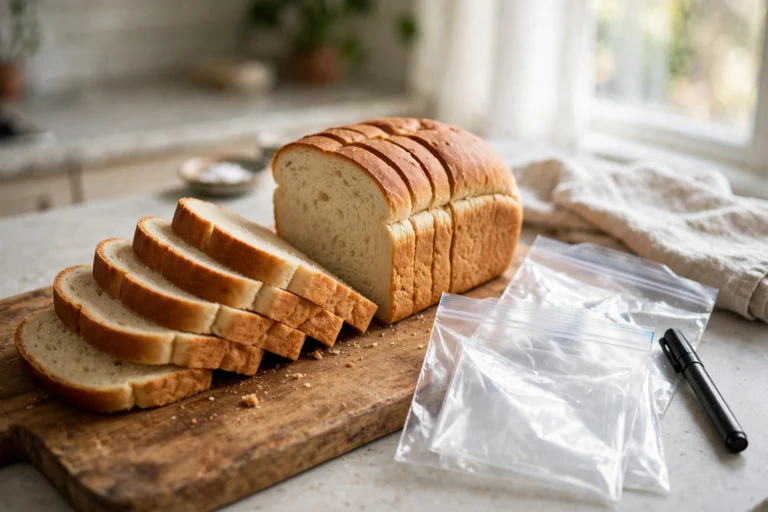
- Wrap each cupcake tightly in plastic wrap, taking care around the top.
- Place the wrapped cupcakes in one layer inside a rigid freezer container.
- Add a sheet of parchment between layers only if the cupcakes are plain and sturdy.
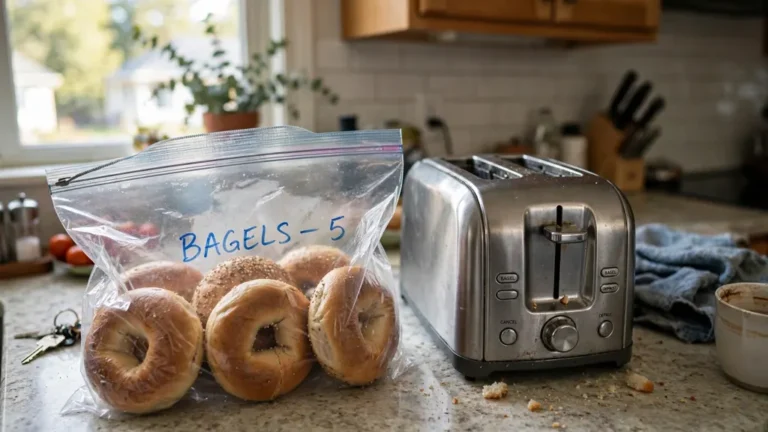
- Close the container, label it with the flavor and date.
- Freeze at 0°F and use unfrosted cupcakes within about 2 to 3 months.
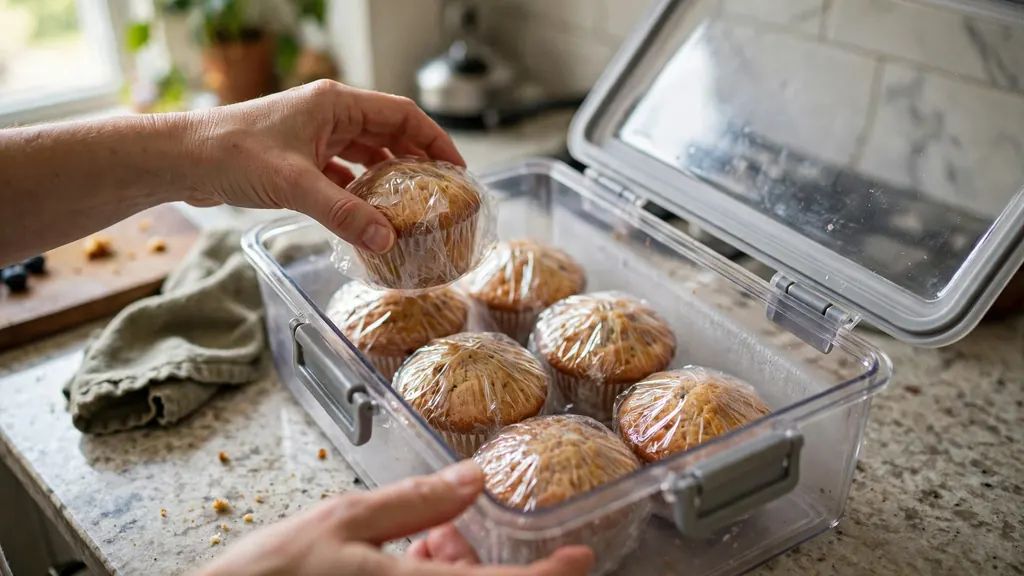
That container is not fussy extra work. It is the difference between a cupcake that thaws round and proud and one that comes out with a flattened top and wrap marks pressed into the crumb.
How Do You Thaw Cupcakes Without Making Them Soggy?
Keep the wrap on while the cupcake thaws. Cold cake pulls moisture from the air, and that moisture often lands on the surface as sticky dampness when a cupcake is unwrapped too soon.
For most cupcakes, a few hours in the fridge while still wrapped gives a calm, even thaw. Small cupcakes then need only a short rest on the counter to lose the fridge chill and taste soft again.
Frosted cupcakes like the same slow treatment. Let the topping soften gradually, then stand the cupcakes at room temperature shortly before serving so the frosting tastes creamy instead of cold and firm.
Why Do Some Cupcakes Taste Dry After Freezing?
Freezer air pulls moisture from exposed crumbs day after day. A loose wrapper, a thin bag or a long stay in a frosty corner slowly dries the sponge, and the cupcake then tastes stale even though it was fresh when it went in.
Age before freezing matters too. A cupcake frozen at the end of its second counter day starts with less life than one frozen the day it was baked, and freezing can only pause the quality it receives.
The fix is timing and tight wrapping. Freeze fresh cupcakes the day you bake them, wrap each one closely, and let the container keep air and pressure away from the crumb.
Which Fillings and Toppings Survive the Freezer Best?
Simple cakes freeze almost without complaint. Vanilla, chocolate, spice and carrot cupcakes all keep their character well, and their crumbs often taste just as tender after a careful thaw.
Buttercream is the most forgiving topping, and cream cheese frosting is close behind. Jam and curd fillings freeze neatly inside a cupcake, although very juicy fruit pieces can soften and bleed a little color into the crumb.
Whipped cream, soft meringue and fresh fruit on top are the difficult guests. They lose their lift and neat look in the cold, so add them after thawing whenever the design allows.
What About Baking Cupcakes Ahead for a Busy Week?
Freezing turns baking into two calmer jobs. Bake and wrap the cupcakes when the kitchen is quiet, then thaw and frost them on the day they are needed, which keeps both the crumb and your schedule from feeling rushed.
For school events and parties, write the flavor and count on the container before it goes into the freezer. When the day arrives, pull out only the number you need and let the rest stay frozen for the next celebration.
Frequently Asked Questions
Can you freeze cupcakes in their paper liners?
Yes, and the liners help each cupcake keep its shape while you wrap and store it. Leave the liner on during freezing and thawing, then peel it away at serving time. If a liner feels damp after thawing, a few minutes on a rack lets the outside dry.
Can you freeze cupcakes with sprinkles on the frosting?
Yes, but bright sprinkles can bleed a little color into pale frosting as the cupcake thaws. The cupcake still eats well, though the finish may look less sharp. For the neatest result, freeze the frosted cupcake plain and add sprinkles just before serving.
How long can frosted cupcakes stay frozen?
About 1 to 2 months is the sweet window for most frosted cupcakes, with buttercream holding up at the better end of that range. After that the cake may still be safe, but the frosting can taste stale and the crumb starts to dry. Unfrosted cupcakes keep their quality a little longer.
Can you warm a thawed cupcake to make it taste fresh?
A very brief warm rest can help a plain cupcake, but frosting makes warming tricky. Let cupcakes come to room temperature first, because gentle patience restores softness without melting toppings. If the cupcake is unfrosted, a few seconds of gentle warmth is enough, never long enough to dry it.
Can you freeze mini cupcakes the same way?
Yes, and they thaw much faster because they are small. Wrap them just as carefully, since their large surface compared with their size makes drying easy. A short fridge thaw followed by a brief counter rest brings them back neatly.
Conclusion
Cupcakes freeze happily, especially when they are frozen fresh and unfrosted with a tight wrap and a protective container. Give them about 2 to 3 months plain or 1 to 2 months frosted, thaw them still wrapped, and finish them close to serving. A thoughtful freeze turns one baking day into many easy treats.