Can You Freeze Factor Meals?
Quick Answer
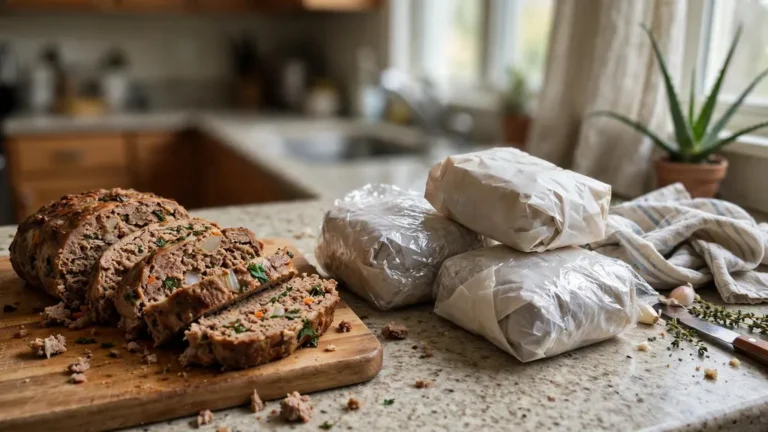
Yes, you can freeze Factor meals, and they keep well for about 2 to 3 months, which makes them handy when a delivery arrives faster than your appetite. You can freeze a meal in its original sealed tray, or move it into an airtight container if the tray is damaged or you want to save space. For the most even result, thaw the meal overnight in the fridge and then reheat it until steaming hot, although you can also reheat from frozen at lower power with extra time. Creamy sauces and crisp vegetables lose the most texture during freezing, while hearty proteins, grains and stew style dishes come out of the freezer tasting close to fresh.
How to Freeze a Ready Meal, Step by Step
Freezing a prepared meal is simple, yet a few small habits protect the flavor. Start by checking that the meal is still cold and within its fridge life, because freezing pauses the clock rather than turning it back. A meal that already smells tired will not improve after a month in the cold.
- Decide which meals you will not eat this week and set them aside first.
- Check each seal for tears, and transfer any loose meal into an airtight container.
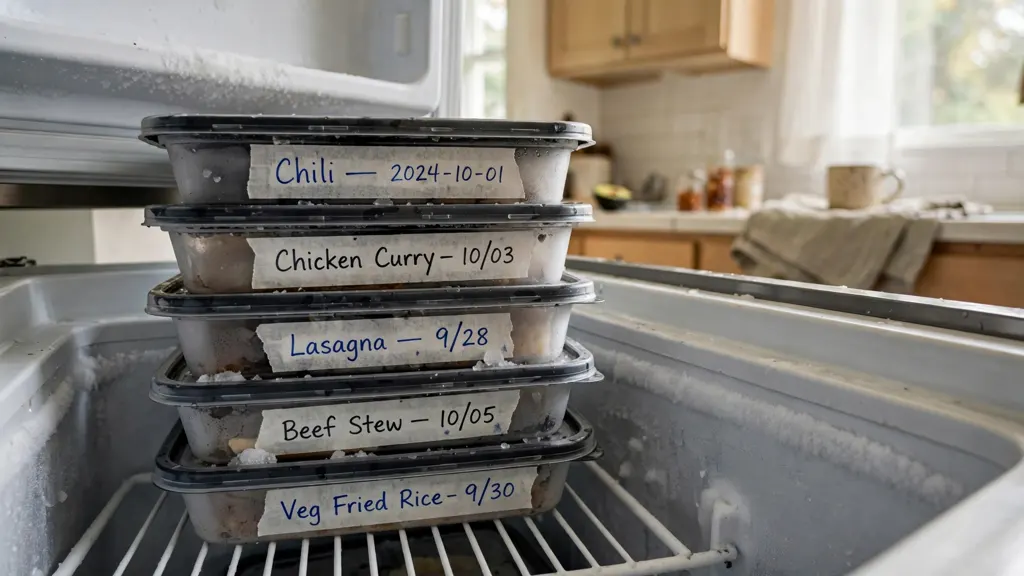
- Write the dish name and the freezing date on a label or directly on the lid.
- Place the trays in the coldest part of the freezer, away from the door.
- Stack them flat so they freeze evenly and take up less room.
- Freeze at 0°F or colder and plan to eat them within 2 to 3 months.
- Keep a simple list on the freezer door so the oldest meals get eaten first.
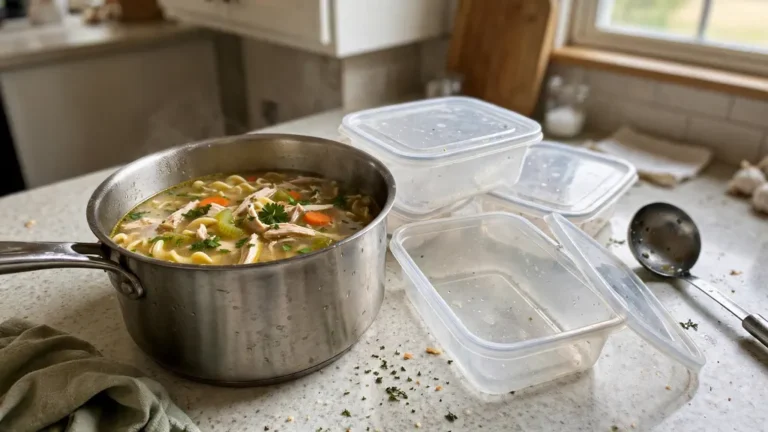
If freezer space is tight, moving a meal out of a bulky tray into a flat container or a sturdy freezer bag saves a surprising amount of room. Press the air out of a bag gently so the sauce does not squeeze out.
Which Parts of a Ready Meal Freeze Best?
Protein and grain based dishes are the freezer friendly part of almost any prepared meal. Chicken, beef, pork, rice, pasta and hearty beans come back from frozen storage with their flavor nearly intact, especially when they sit in a sauce that shields them from dry air. Saucy dishes reheat evenly as well, because the liquid moves heat through the tray.
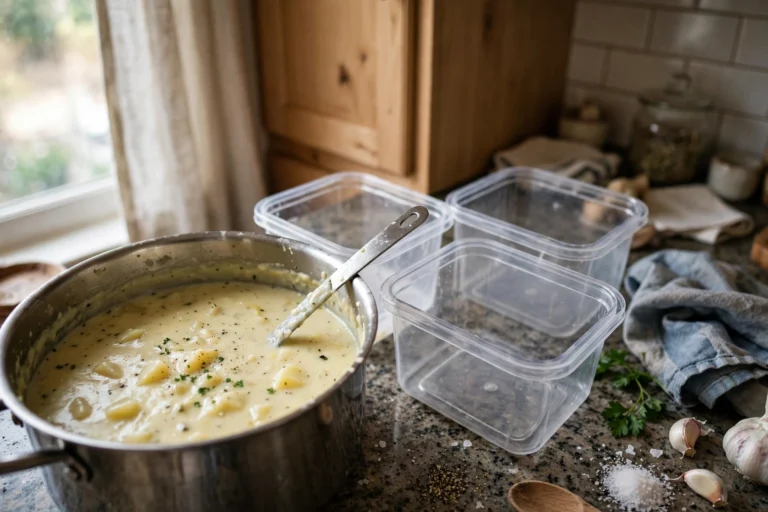
Cream based sauces are the weak link, since they can separate and turn slightly grainy after thawing. A good stir once the meal is hot usually brings a sauce back together, and a small splash of milk helps if it still looks split. Cheese sauces behave better than thin cream sauces, though both are at their best inside the first month.
Crisp vegetables, fresh garnishes and anything breaded lose the most. Green beans go soft, roasted edges disappear, and a crunchy topping turns chewy. Those meals are still fine to freeze, but they will not taste quite like the day the box arrived.
How Long Do Factor Meals Keep in the Freezer?
A frozen meal stays safe well beyond these guides as long as it remains frozen solid, but taste and texture are best inside this window.
- Meals in the original sealed tray: About 2 to 3 months at their best quality.
- Meals moved to an airtight container: About 2 to 3 months, as long as the seal is tight.
- Cream sauce dishes: Best within about 1 to 2 months, before the sauce starts to separate.
- Meals with crisp vegetables: Best within about 1 to 2 months, while the vegetables still hold some texture.
Rotate the stack so the oldest trays come forward, and write dates big enough to read at a glance. If a tray has heavy frost inside the film or a sour smell after thawing, throw it away rather than reheating it.
Reheating a Frozen Meal So It Tastes Fresh
Overnight thawing in the fridge gives the most even result, because the center and the edges warm at nearly the same pace. Move the tray to the fridge the night before, then heat it until the middle is steaming, since cold spots are common in dense meals. A short rest after heating lets the temperature settle through the whole dish.
Reheating from frozen also works when the plan changes at the last minute. Use half power for the first several minutes so the edges do not overcook while the center is still icy, then finish at full power. Stirring or turning the meal halfway through helps a lot, because microwaves heat unevenly by nature.
Once a meal is hot, eat it right away rather than saving the leftovers again. A dish that has been frozen, thawed and reheated has done its duty, and sending it back to the fridge only dulls what flavor is left.
Frequently Asked Questions
Can you freeze a Factor meal in the tray it came in?
Yes, as long as the film seal is intact and the tray has no cracks. The original packaging is designed to protect the food, so a sealed tray goes straight into the freezer. If the seal has lifted, move the meal into an airtight container first so it does not dry out.
How long can a Factor meal stay in the fridge before you freeze it?
Freeze it while it is still well inside its fridge life rather than on the last day. Freezing only pauses quality, so a meal frozen on day one thaws tasting much fresher than one frozen when it was already tired. If a meal has been sitting open or smells off, freezing will not rescue it.
Can you microwave a Factor meal straight from frozen?
Yes, and the trick is to use lower power for the first stretch so the center can catch up. Peel back a corner of the film so steam can escape, heat at half power, then finish at full power until the whole meal is steaming. Let it stand for a minute before eating.
What if a meal arrives partly thawed?
If the tray still feels very cold and holds plenty of ice crystals, freezing it again is fine. A meal that arrived warm or fully thawed with no crystals left should go into the fridge and be eaten soon instead. When in doubt, the temperature tells the story better than the clock.
Can you refreeze a Factor meal after thawing it?
It is better not to, because each round of freezing softens the texture and fades the flavor. If you thawed a meal and plans changed, cook it fully and eat it within a day or so. Only a meal thawed safely in the fridge and then cooked into a new dish handles a second freeze reasonably well.
Conclusion
Factor meals freeze happily for about 2 to 3 months in their sealed trays or in airtight containers. Thaw them overnight for the most even reheating, eat the cream sauce dishes first, and rotate the stack so nothing gets forgotten at the back. With a few dates written on the lids, a busy week never has to mean a wasted meal.